Quarry Oaks: Nebraska Golf Reimagined.
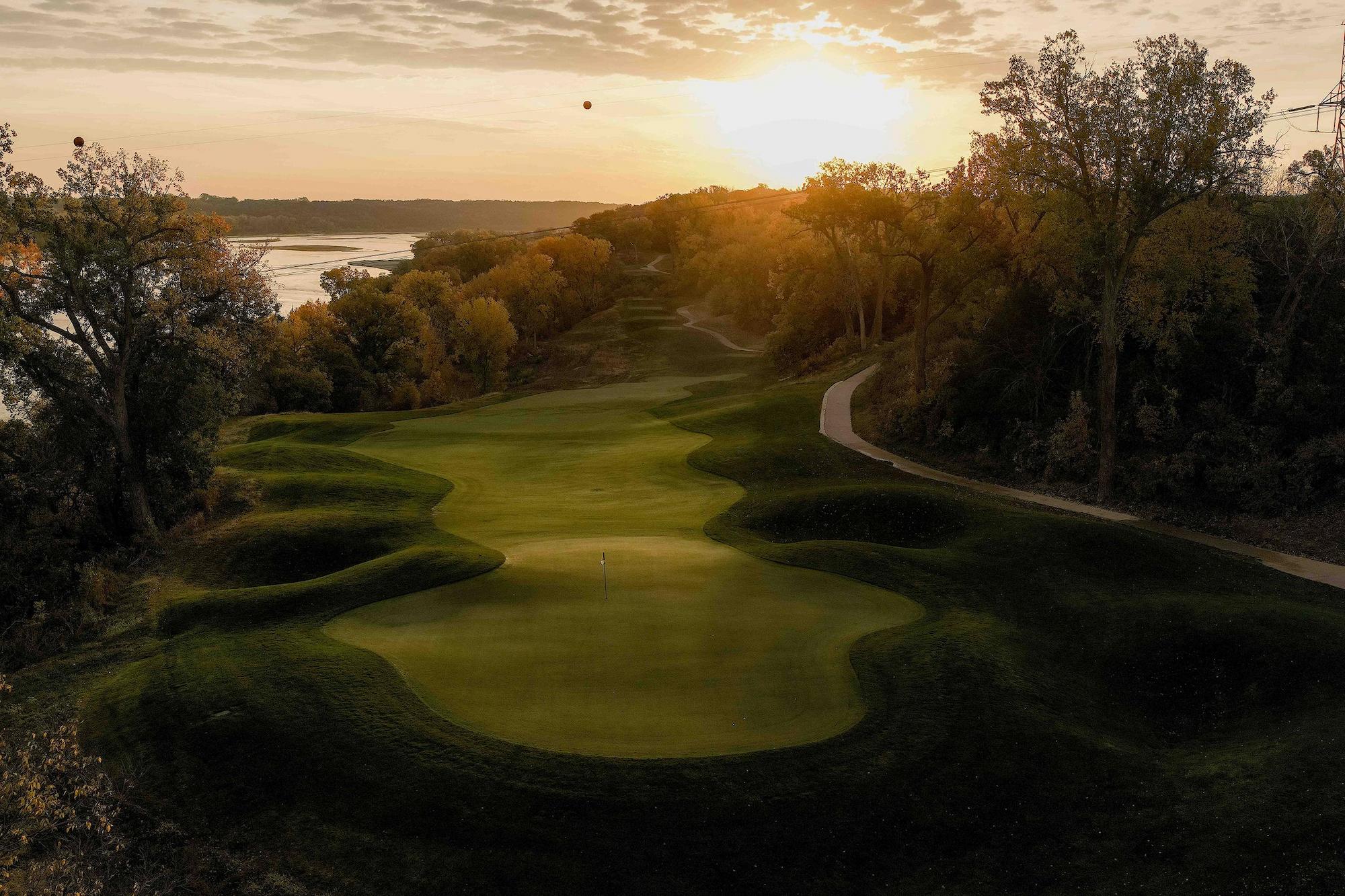
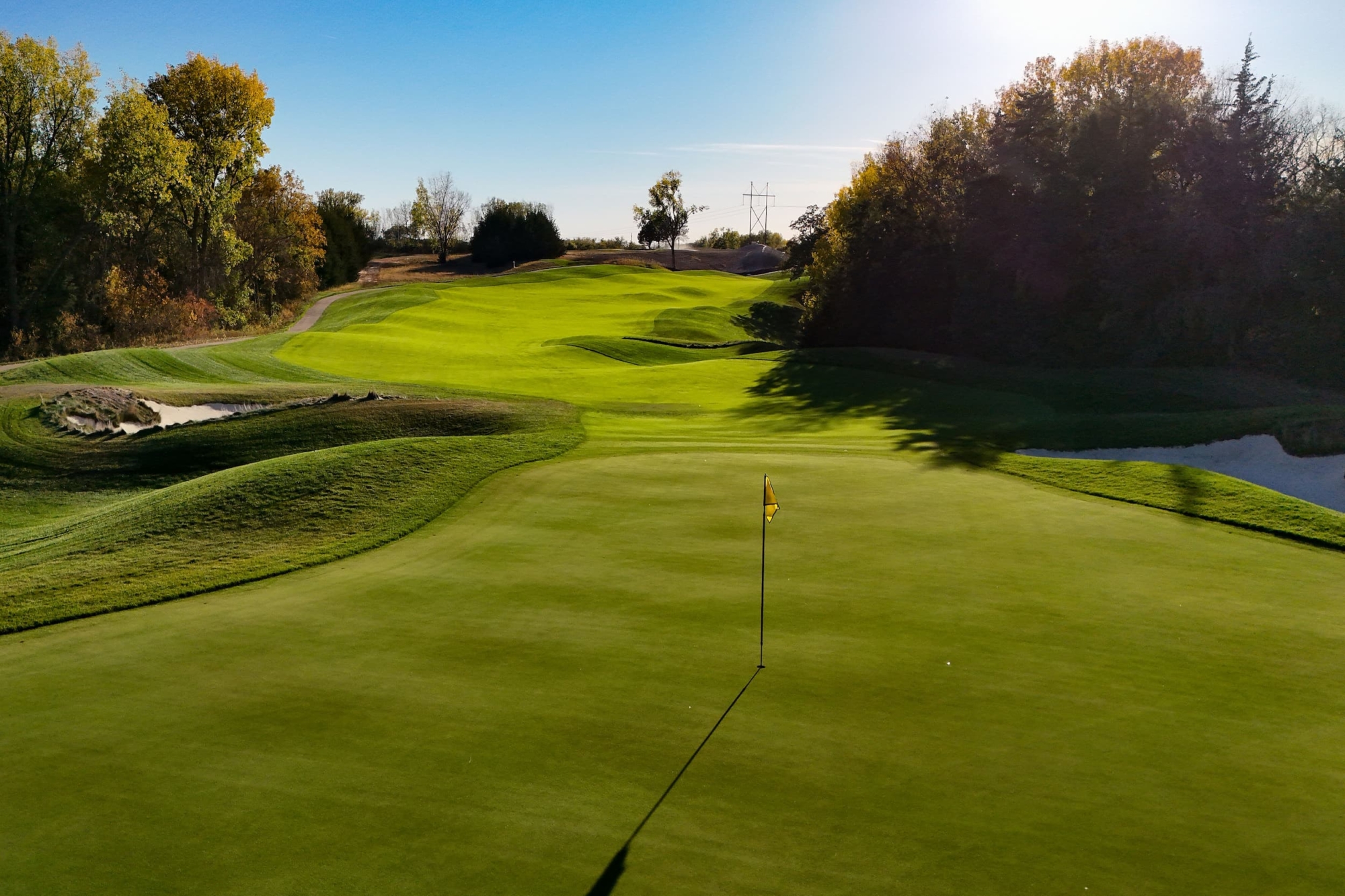
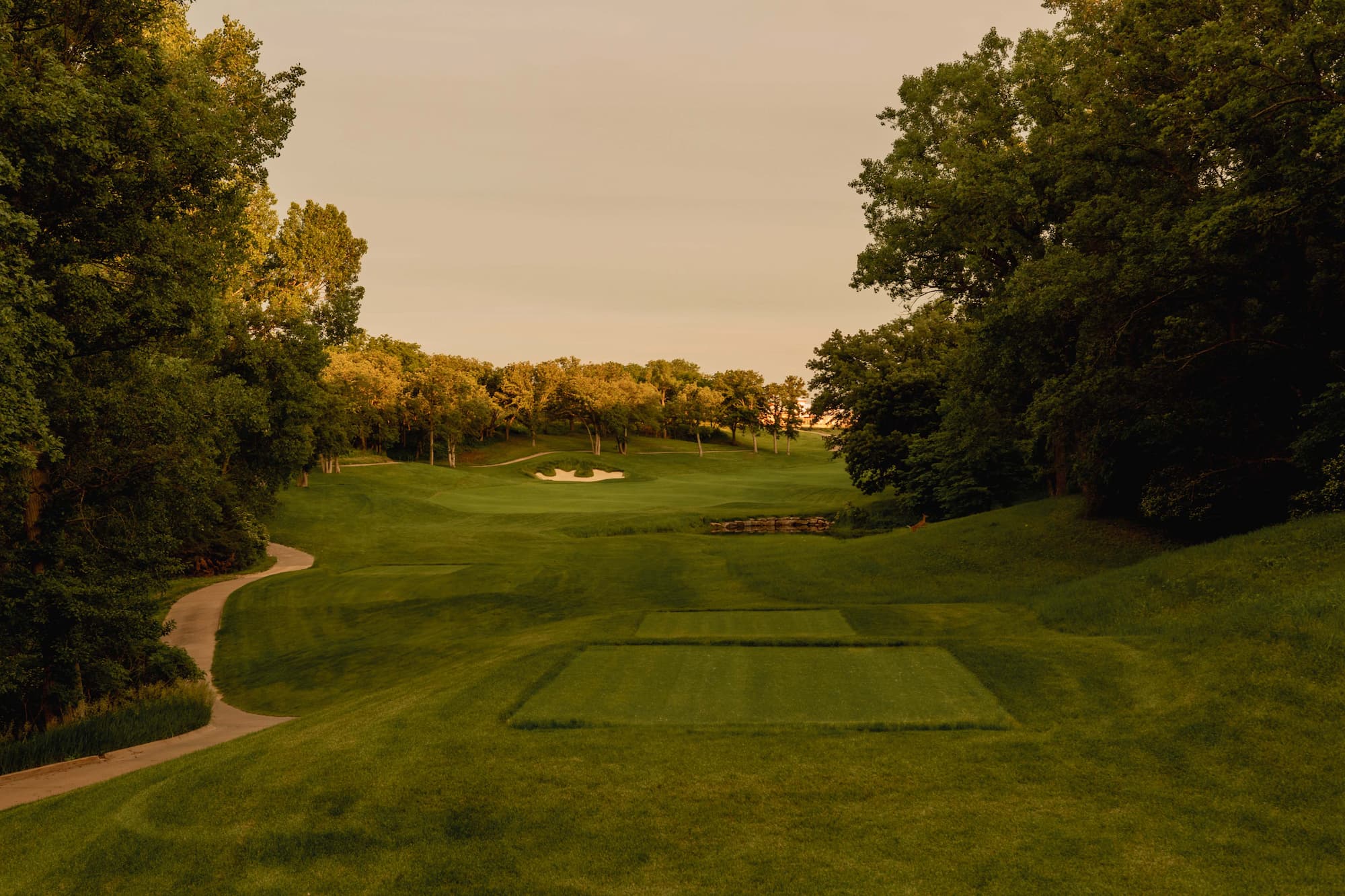
Experience golf in Nebraska like never before at Quarry Oaks, where every detail is designed around the golfer. With spacious 15 minute tee time intervals, you can enjoy a relaxed pace of play and the feeling of having the course to yourself. On course halfway houses offer a full selection of snacks and beverages to enjoy during your round, while the clubhouse provides the perfect setting to unwind afterward with drinks and dinner. We invite you to discover Nebraska golf reimagined.
The 2026 rate for a round of golf is $160 per person plus tax and includes 18 holes, a golf cart, and range balls.
Could not find the tee time you were looking for? Join our waitlist and receive updates when openings become available.

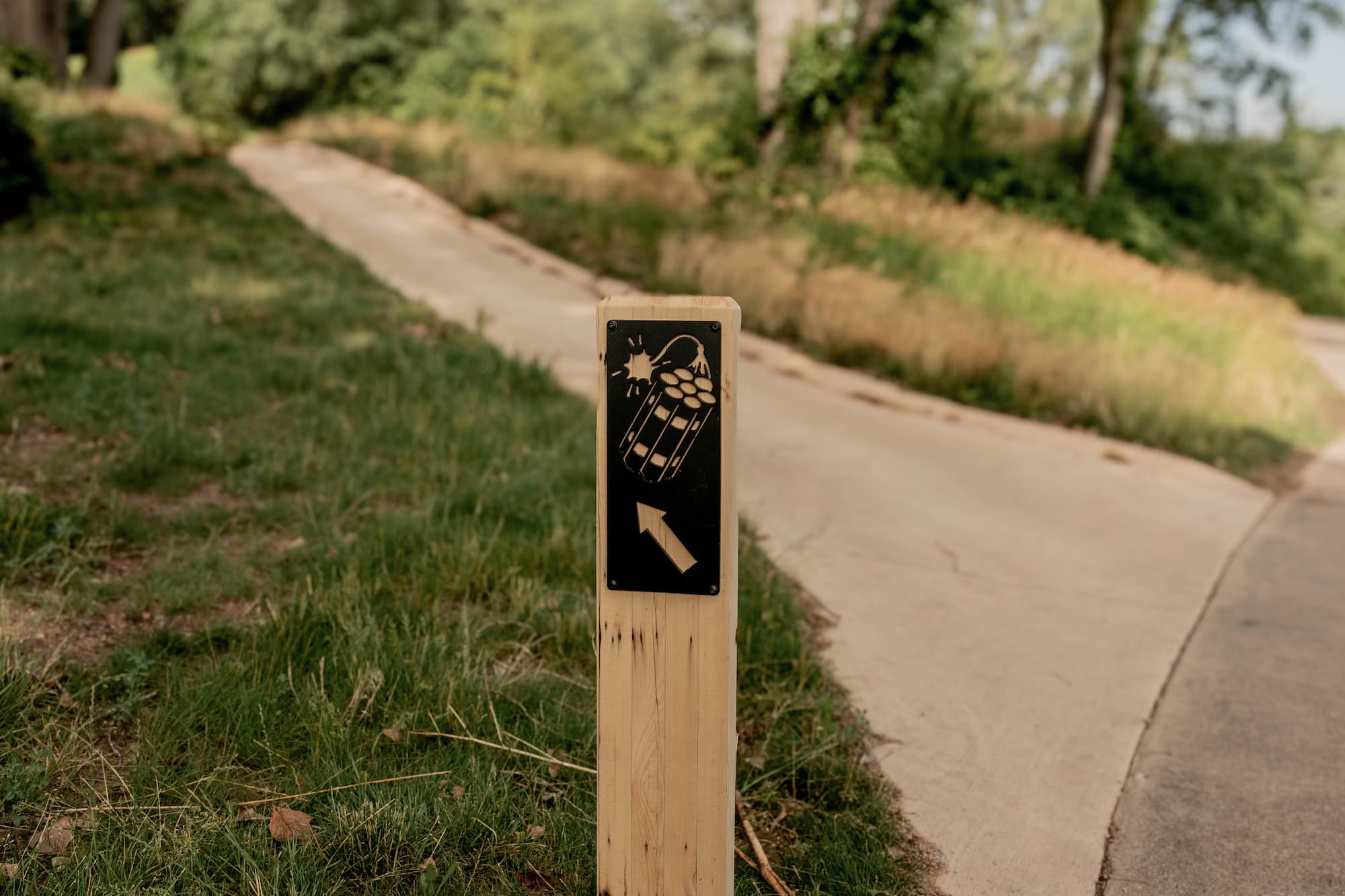
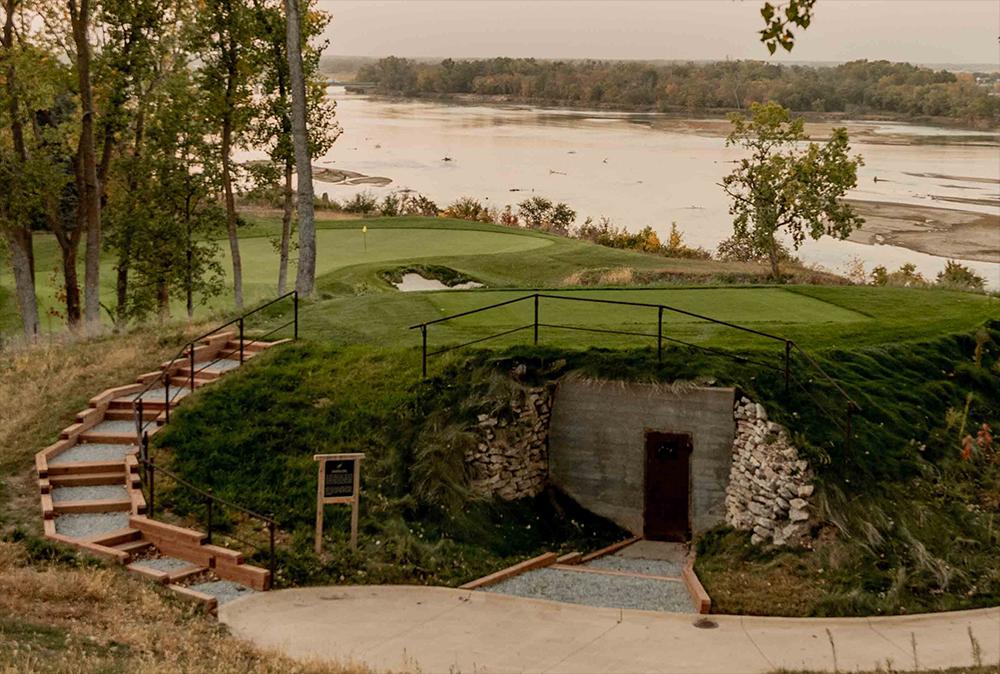
Dynamite Tee
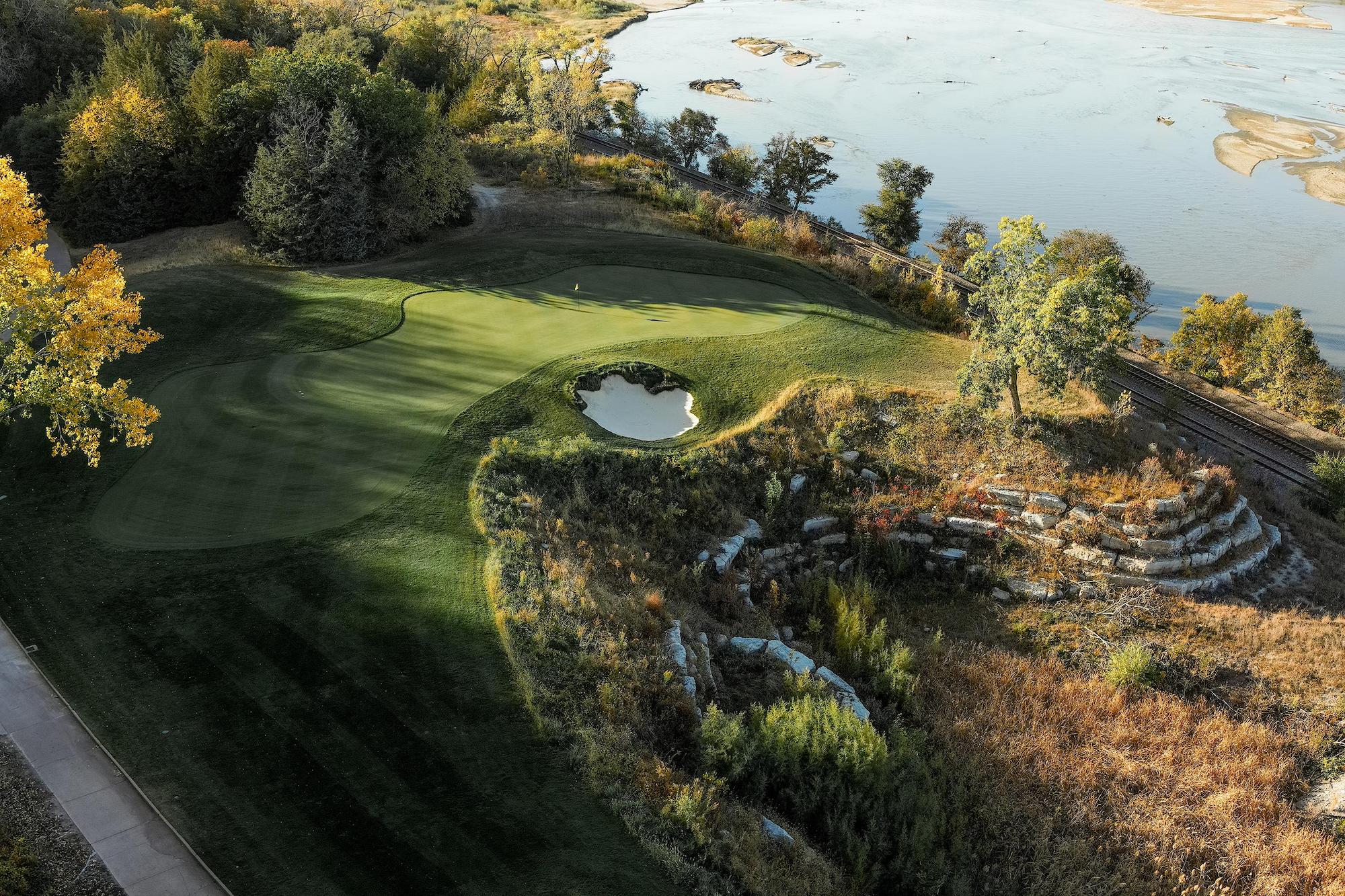
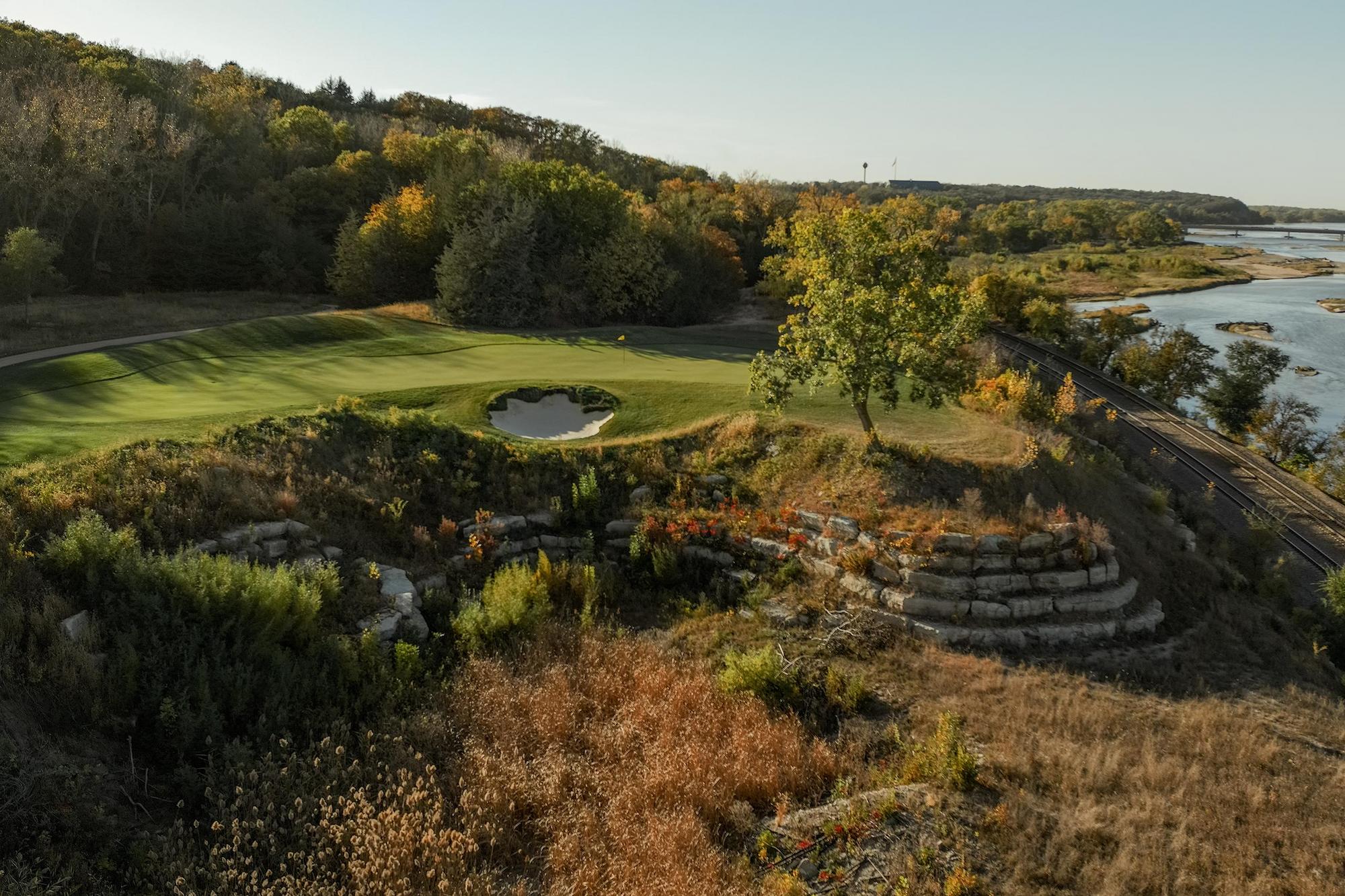
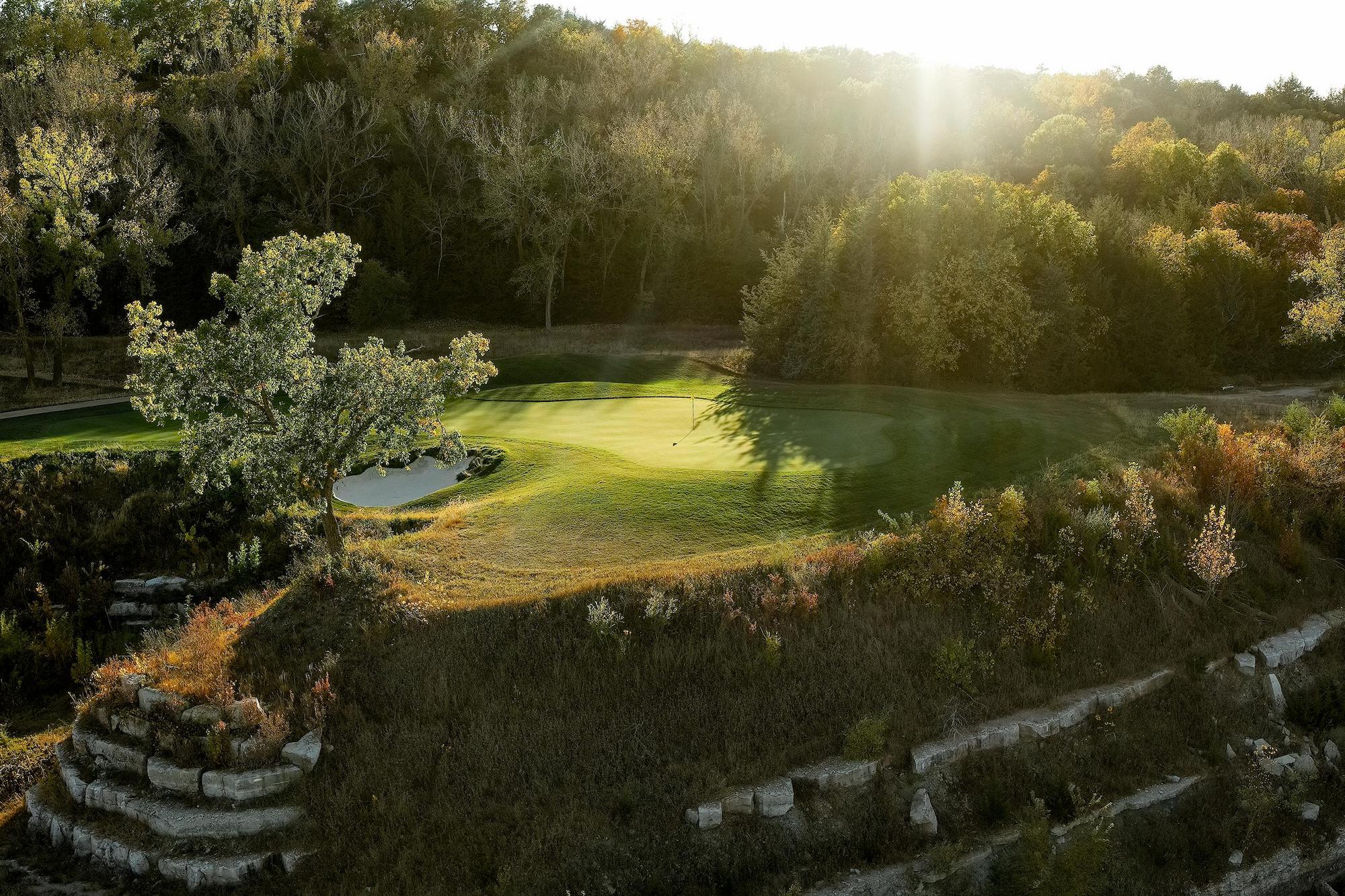
This dynamite shack was active in the early 1950s when quarry operations began in the area. The shack was used to store dynamite safely for future use. Mining workers known as “powder monkeys” would set the charges in place to blast limestone rock free from the quarry walls near Hole #15
In 1952, the Strategic Air Command activated the Lincoln Air Force Base as a result of the Cold War. Abel-Dobson-Roberts Paving Company used limestone from the quarry during construction of the runways and road improvements. Mining operations at this location ceased in 1959 after the limestone was depleted.
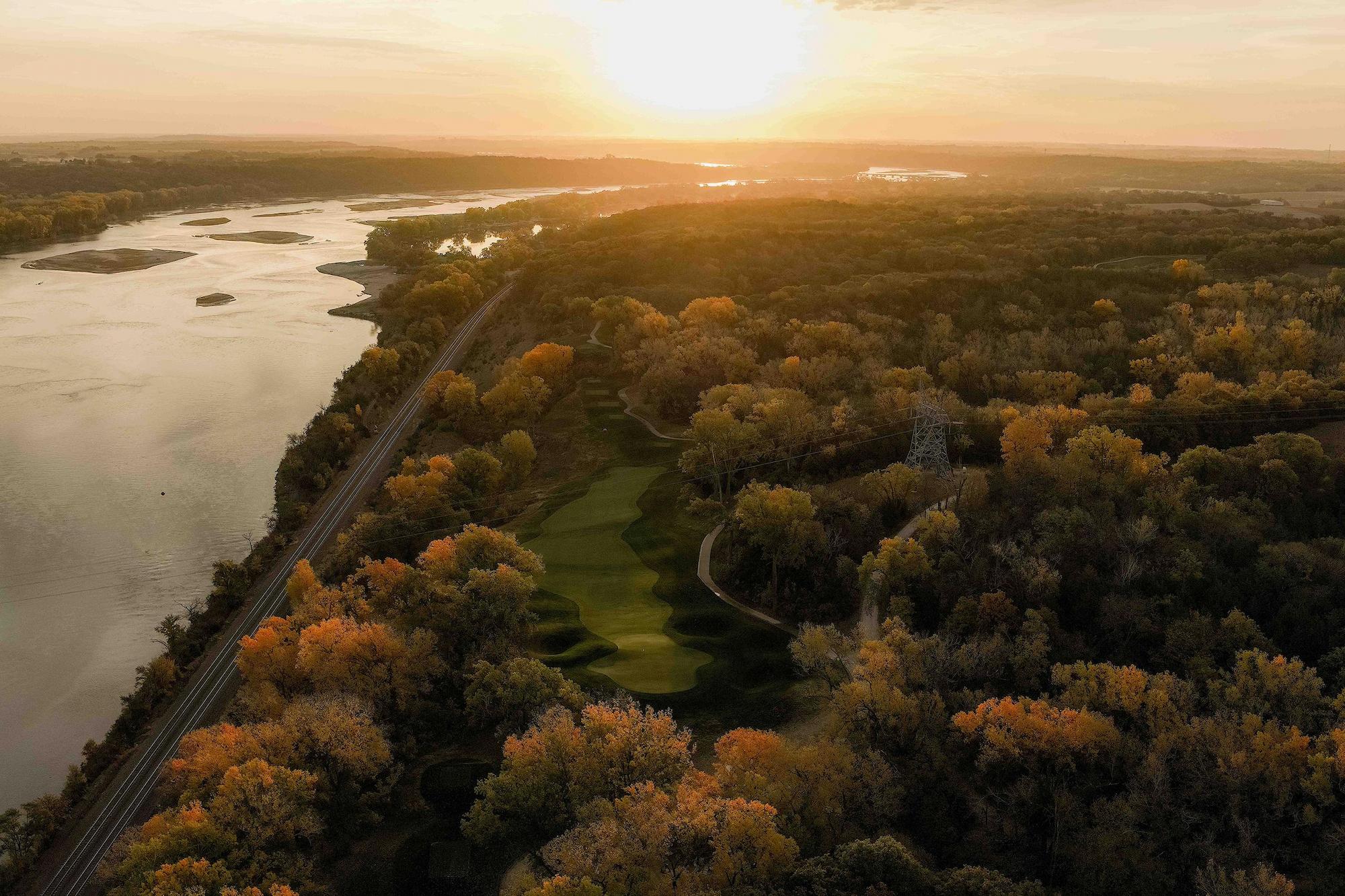
Platte River Valley
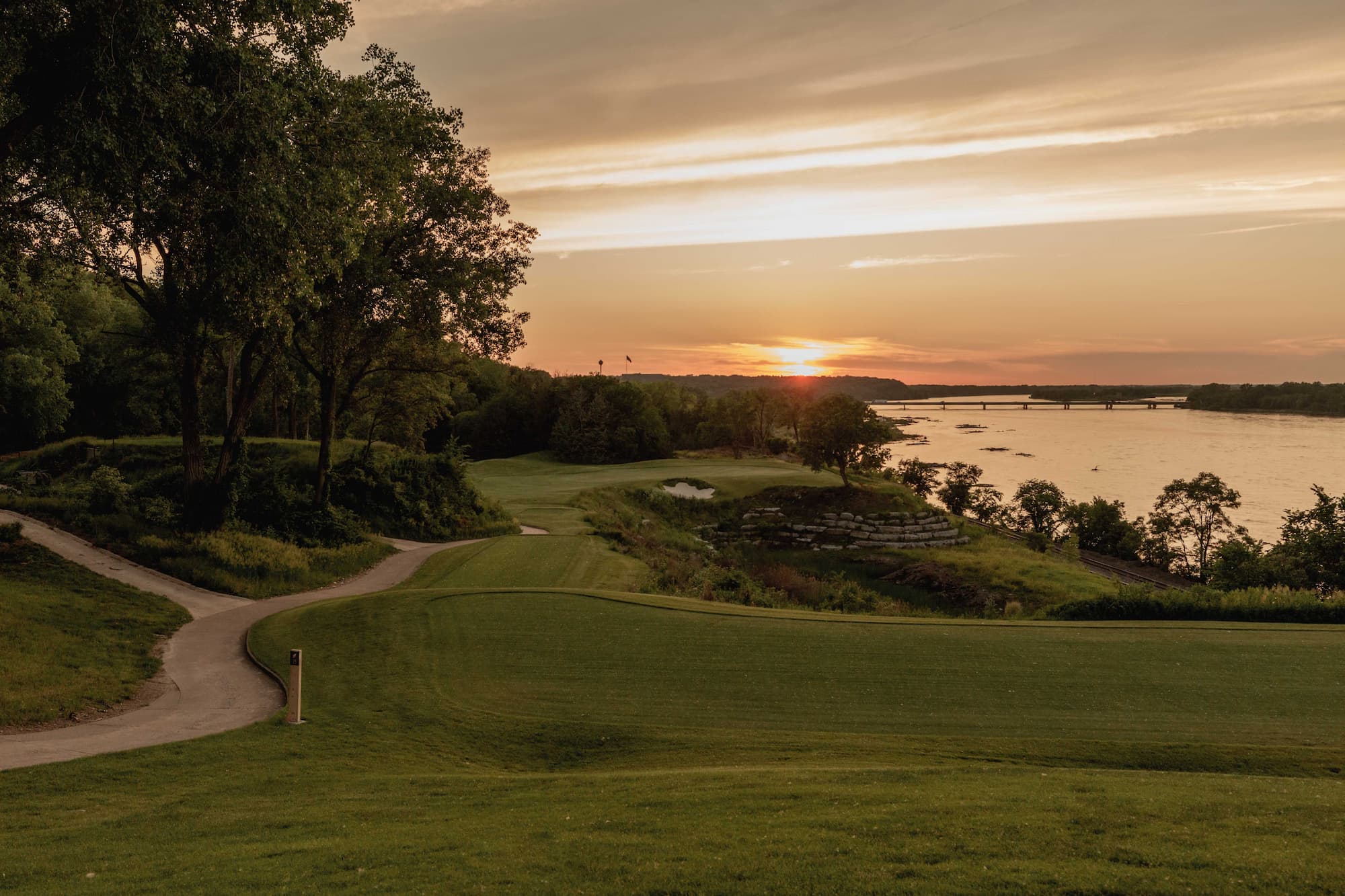
For indigenous peoples like the Pawnee, Omaha, and Otoe tribes, the Platte River was a lifeline of sustenance and spirituality for centuries. In the 19th Century, pioneers traversed its banks on the Oregon, California, and Mormon Trails. The railroads followed, ushering in a new era of commerce and settlement.
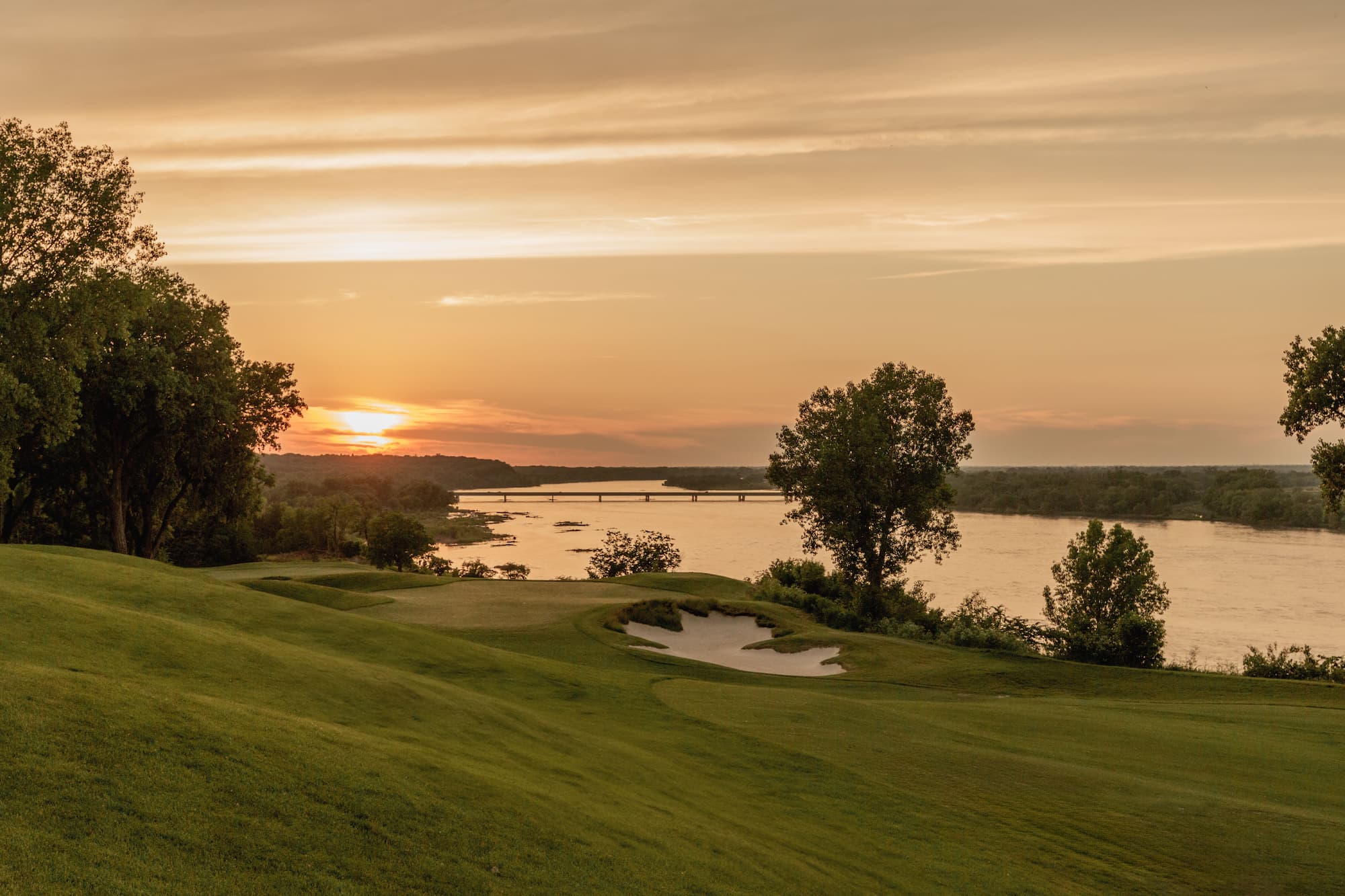
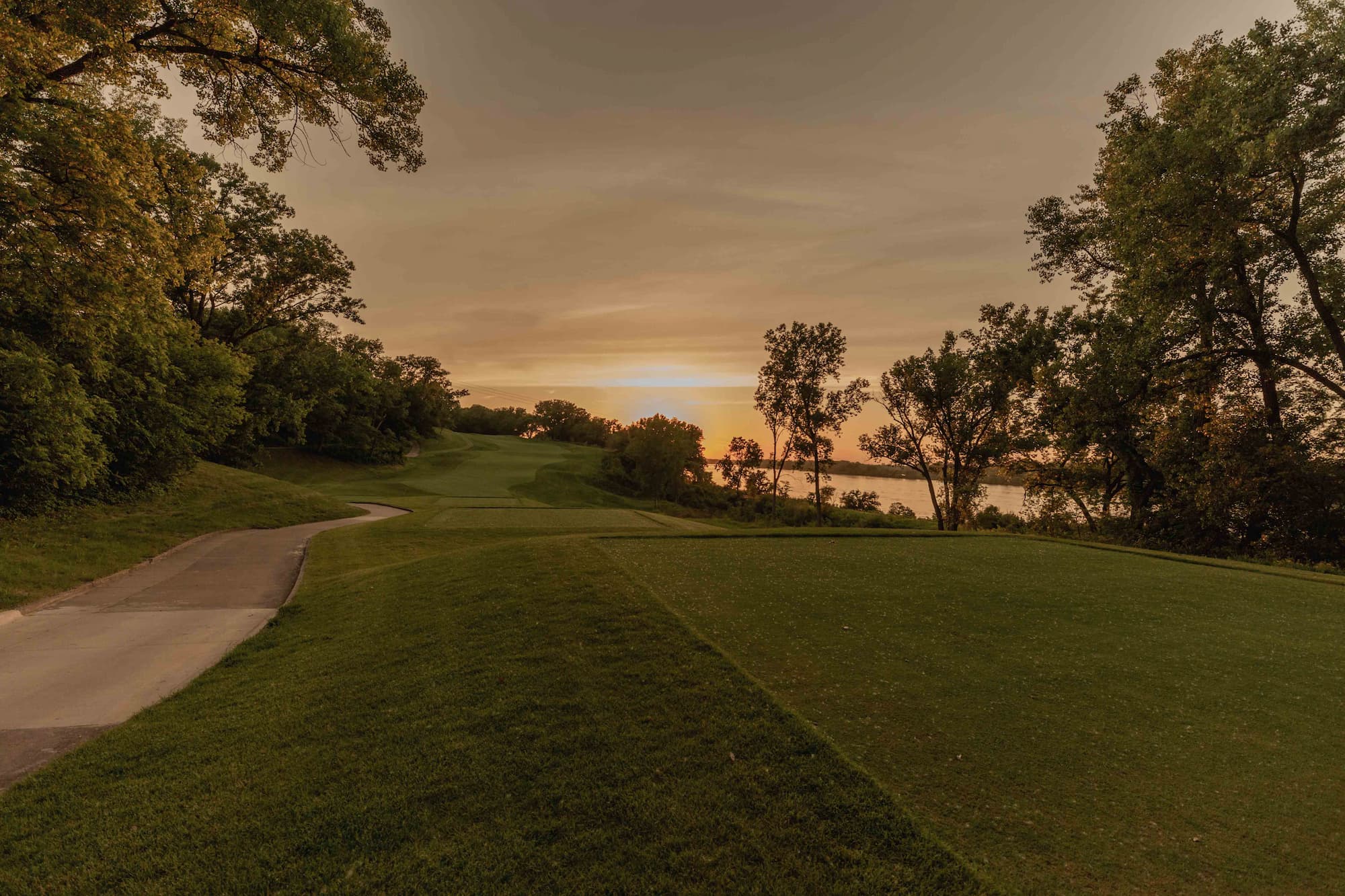
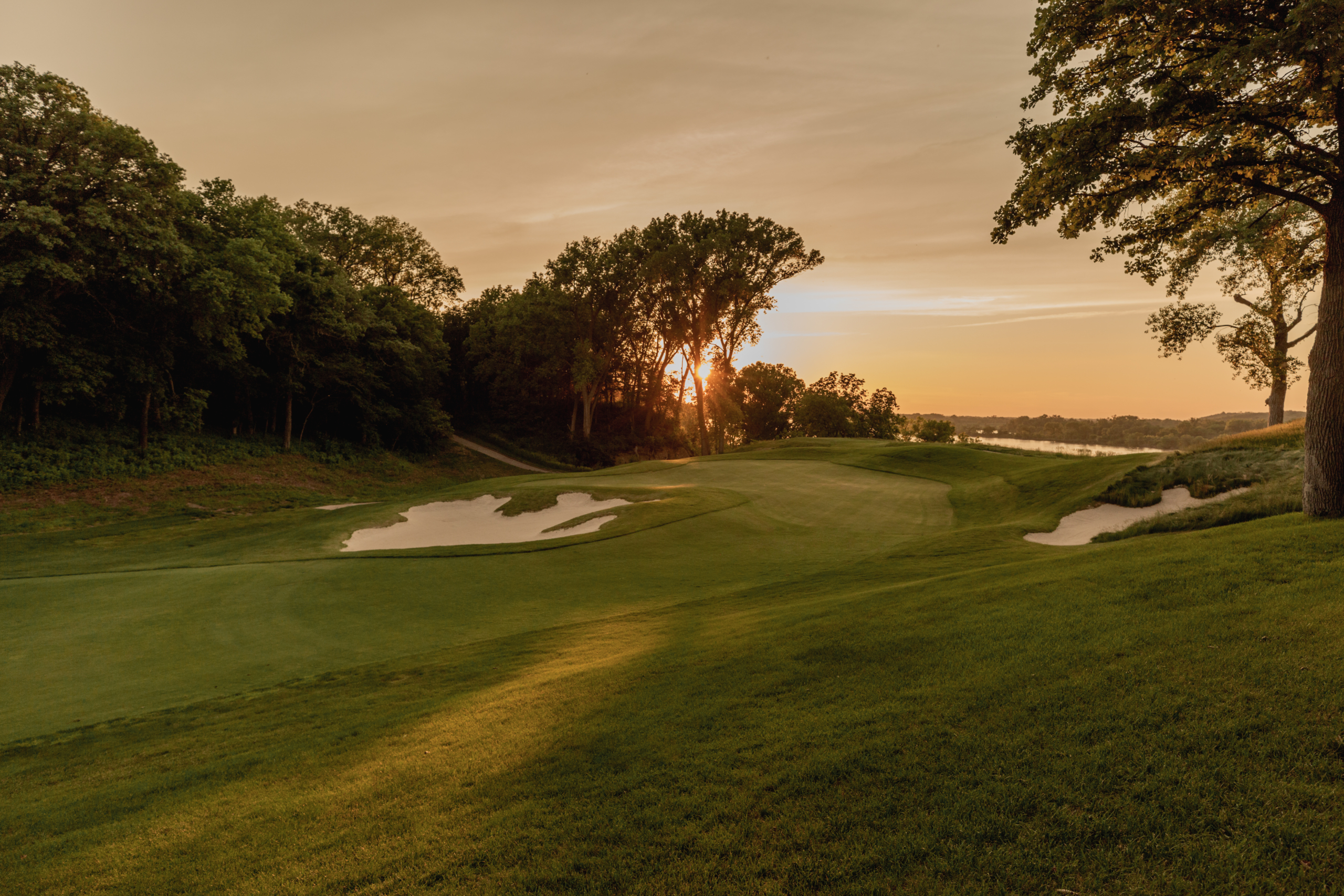
The Otoe name for this region was “Nebrathka”, meaning “flat water” – which became the namesake of our state. You can enjoy the expansive views of the Platte over several holes, and reflect on the generation who have been shaped by the majestic river.
Pioneer Cemetery
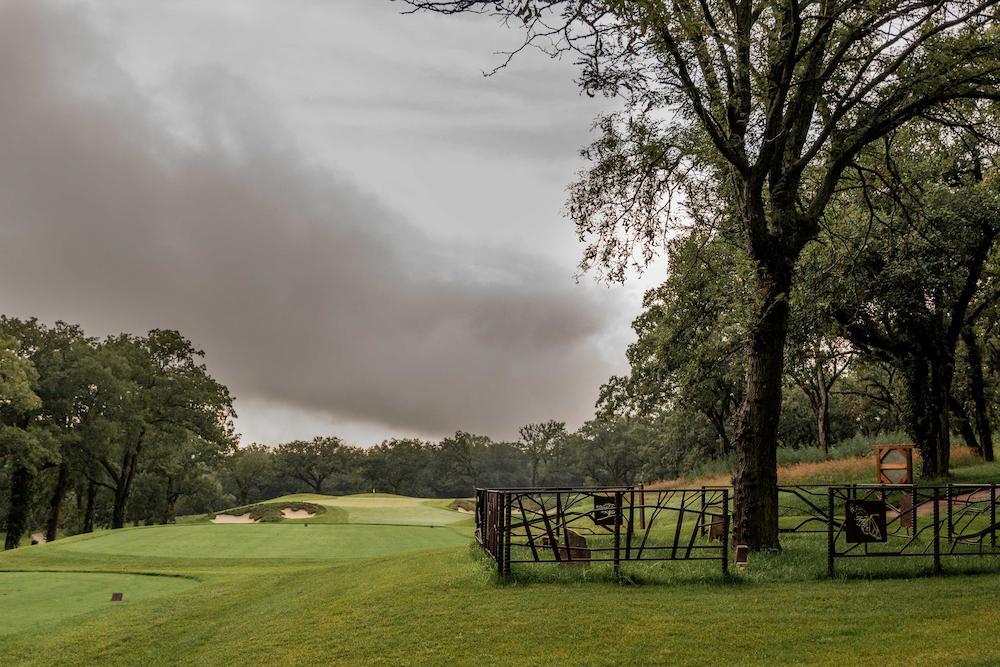
Four grave markers were discovered at this site in 1967. All were for children eight years old or younger. The children died in 1865 and 1866 and were laid to rest in this plot.
Life on the prairie for children was often difficult, shaped by the relentless demands of the land and harshness of the elements. Yet, within this tough existence, there were moments of wonder, where the simplicity of nature provided a sense of peace and joy.
We can imagine these children watching the monarch butterflies quietly dance through the air, seeing the herons in graceful flight along the river’s edge, and hearing the cool wind rustle the tree branches overhead.
These moments of serenity offered a sense of magic – a reminder of the pure joys of youth amidst the tough, unforgiving landscape.
Bur Oak Trees
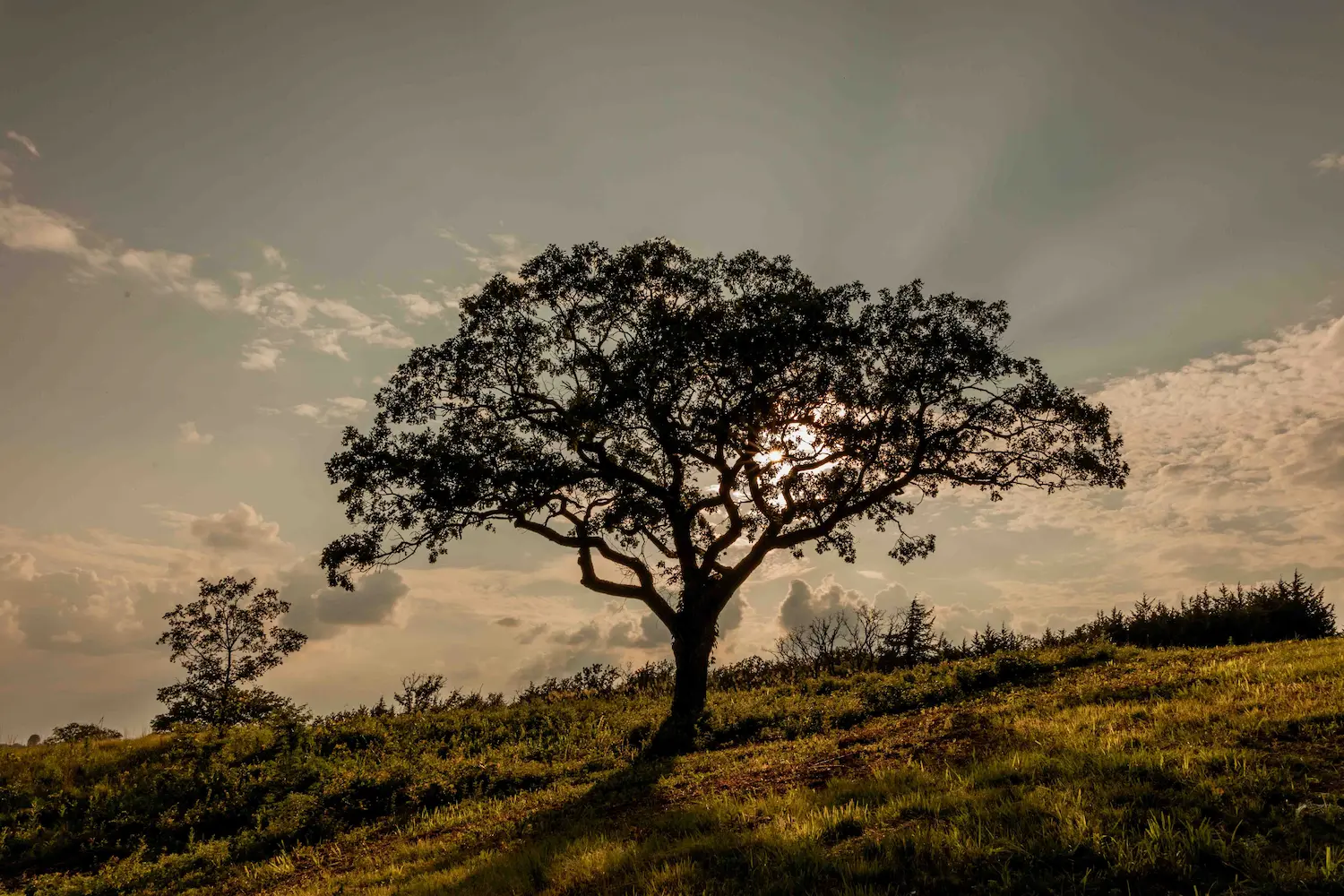
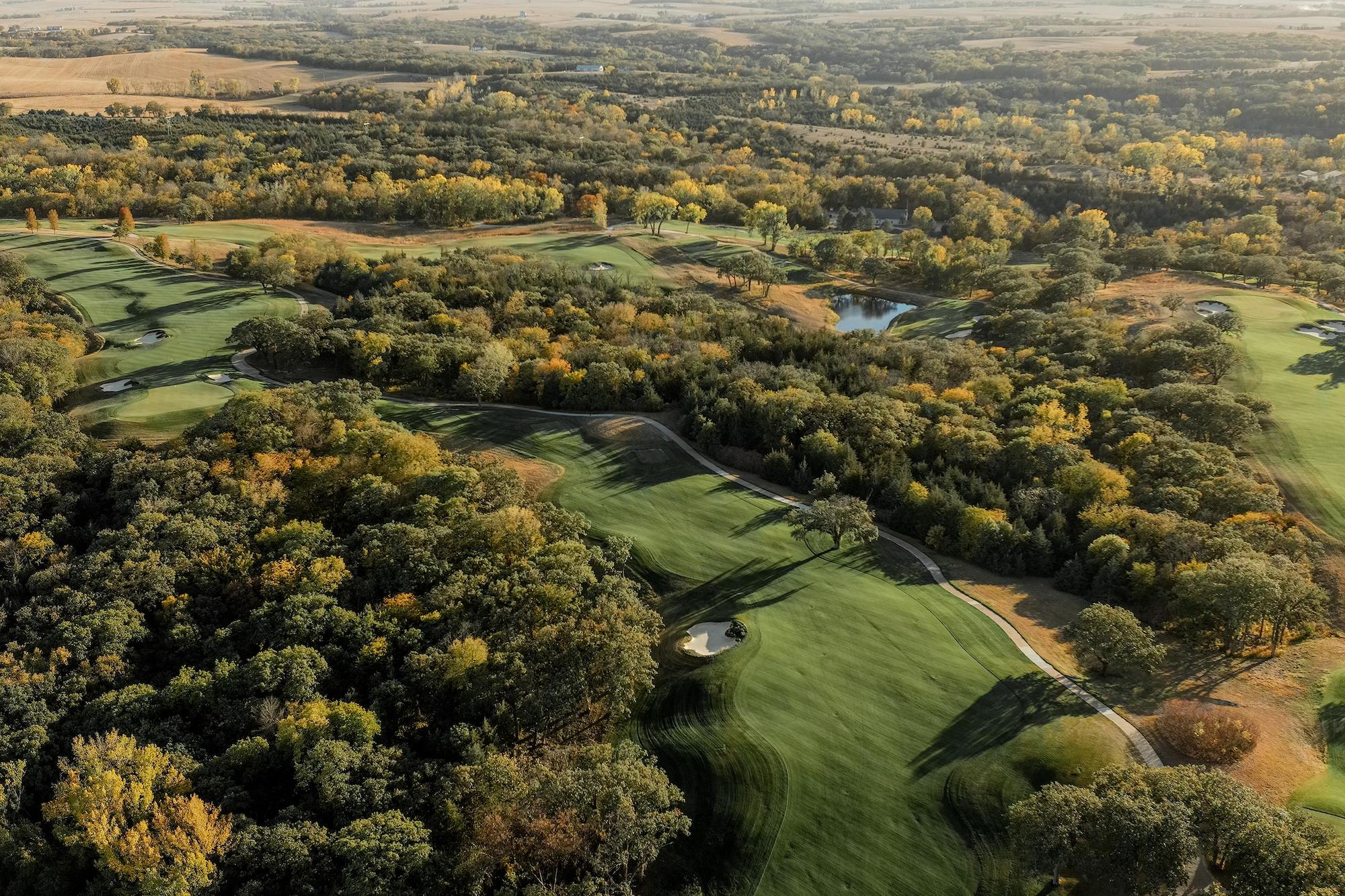
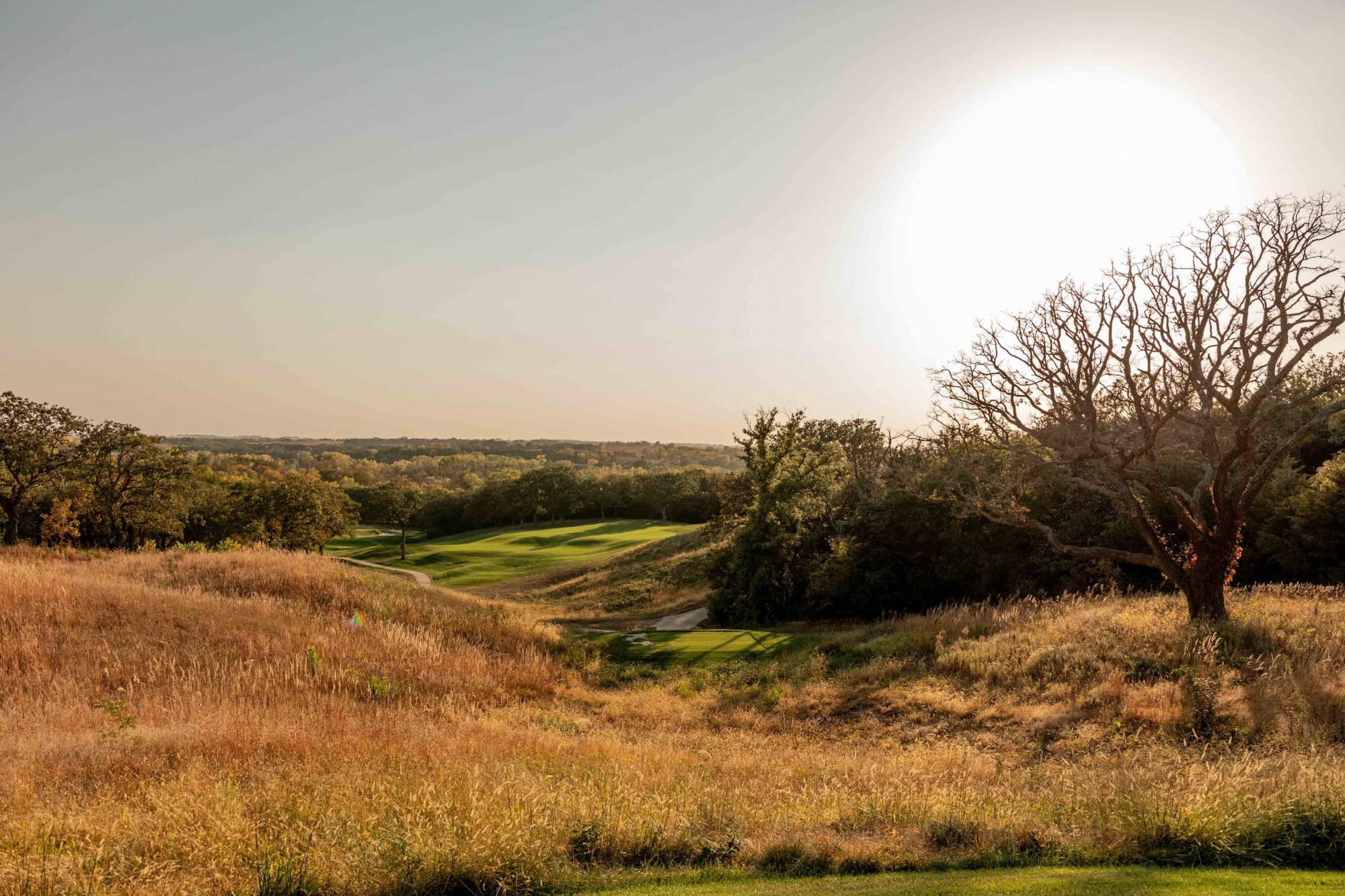
The Bur Oak, a signature feature of Quarry Oaks, stands as a testament to endurance. Its robust structure not only anchors landscapes, but its ability to weather storms and droughts alike has made it an emblem of resilience.
Bur oaks are very adaptable to limestone-based soils. At maturity they can reach 70 to 80 feet tall with an equal width. Numerous Bur Oak trees in the Great Plains region have an estimated age of 300-400 years.
Bur Oak trees also contribute to the makeup of sustainable landscapes. Bur Oak acorns and leaves are a primary food source for wildlife. Insects feeding on Bur Oak leaves are in turn a food source for numerous bird species, and the tree’s canopy provides cover and protection for smaller trees.
As you enjoy the landscape of Quarry Oaks, we hope you will come to appreciate the majestic, gnarled beauty of the Bur Oak.